From Software to Digital Workers

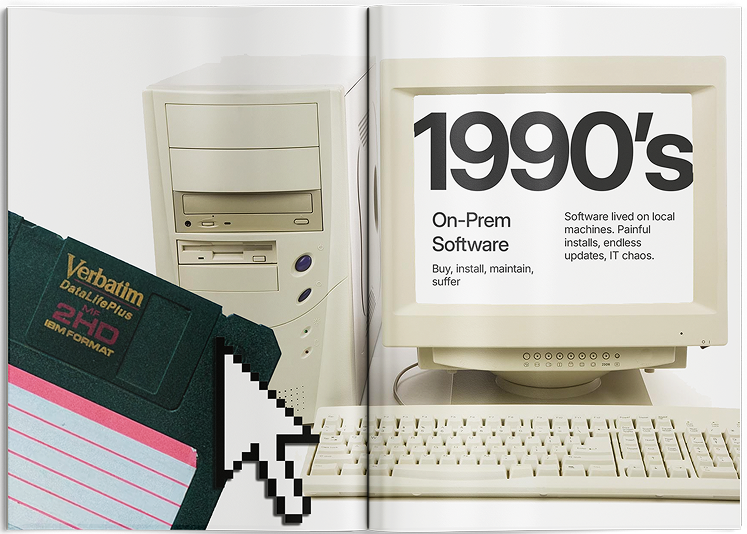
Software used to live on physical machines. You bought a license, installed it manually, and prayed the update didn't crash your system.
IT ran the show, not the user. Innovation was slow, expensive, and limited to whoever could afford hardware and infrastructure.
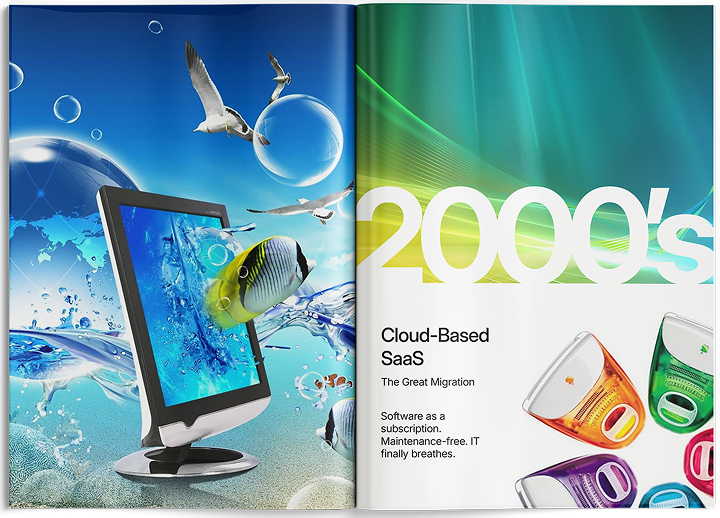
Then came the cloud. Software moved online, subscriptions replaced licenses, and teams could finally work anywhere. The SaaS model exploded. No more installations, no more updates. Just log in and go.
It was faster, lighter, and scalable—but it still required humans to run it.
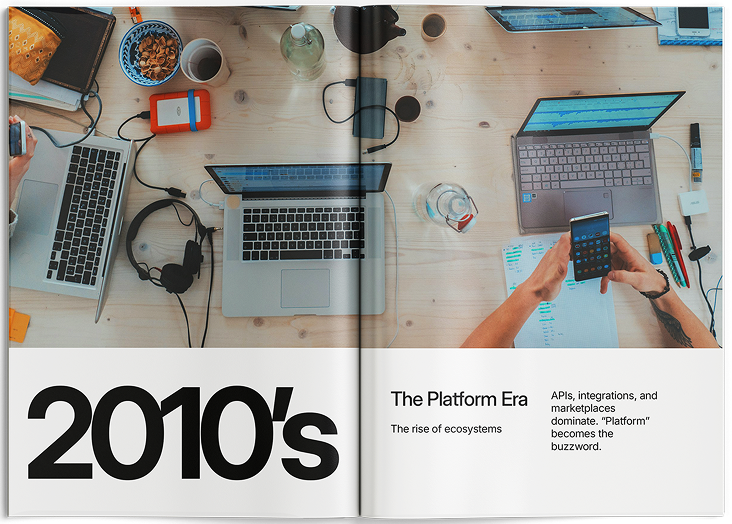
SaaS companies realized integration was power. Platforms like Salesforce, HubSpot, and Shopify built ecosystems that connected hundreds of tools.
The focus shifted from selling features to building marketplaces. The new advantage was "extensibility." The more apps plugged in, the more valuable the platform became.
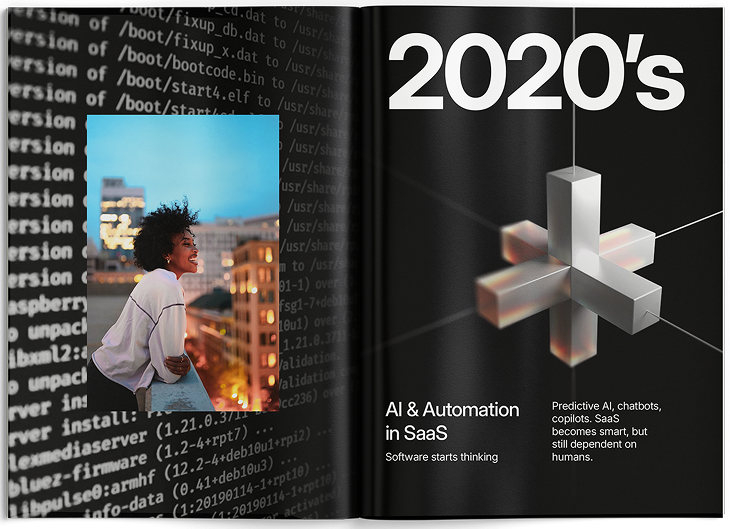
AI entered the chat. We added automation, copilots, and chatbots. SaaS finally started to predict, assist, and learn. But it still wasn’t autonomous.
These tools could suggest or summarize, but they couldn’t own outcomes. They made humans faster, not freer.
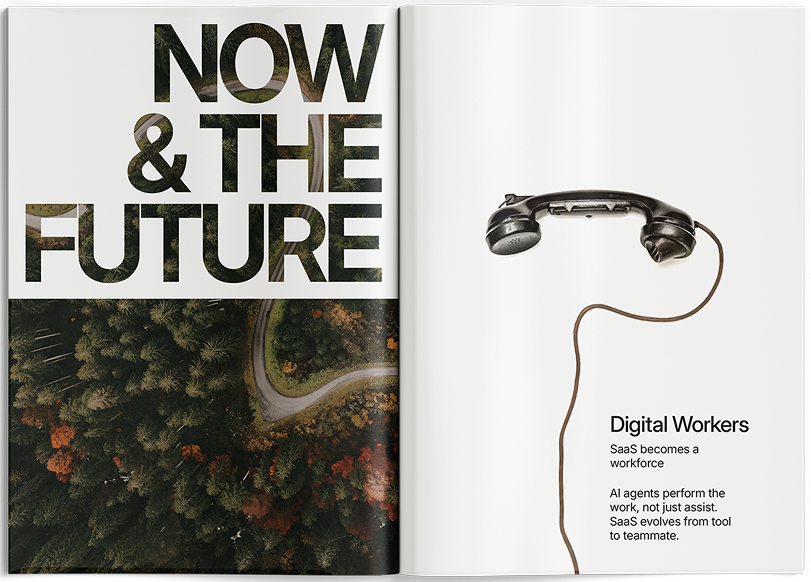
Now, SaaS is crossing the final frontier. AI agents can actually perform the work— research, outreach, support, recruiting—without needing constant human oversight.
They don’t just automate tasks; they manage workflows, collaborate, and deliver measurable results.
The software itself becomes the workforce.